Politics
Shreveport Cuts Property Taxes for Lower-Income Residents Amid $8.2M Budget Gap
A new state property valuation formula is expected to lower tax bills for renters and homeowners earning under $50,000 annually, but Shreveport officials warn the city must cut services or raise other revenues to cover a projected budget gap.
How we reported this
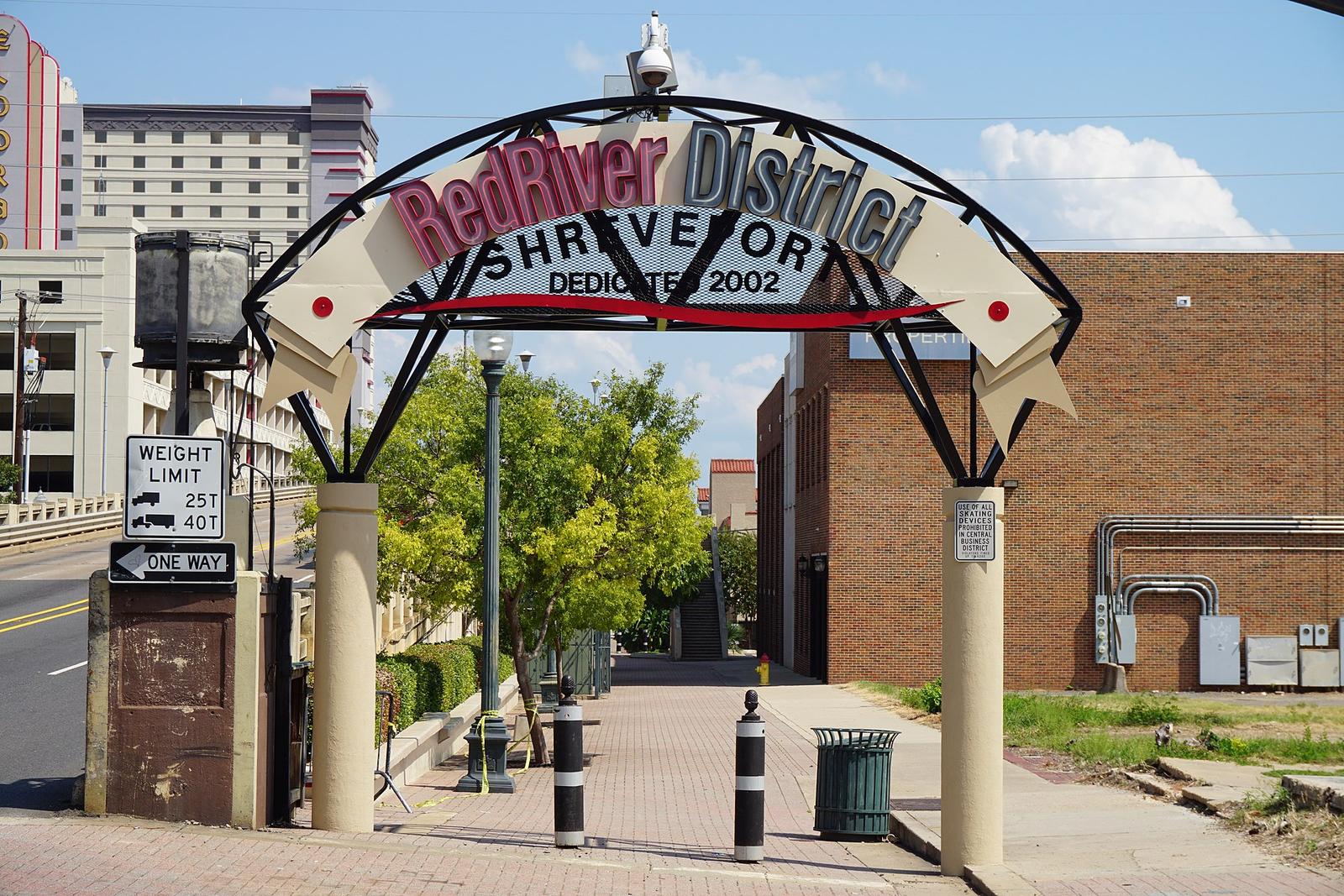
Shreveport residents who rent or own modest homes will see property tax relief this fiscal year under a revised state assessment formula that took effect July 1. The change redirects tax obligations toward commercial properties and higher-value residential addresses, affecting an estimated 12,400 household accounts across Caddo Parish.
The Louisiana Department of Revenue implemented the new methodology after the 2024 Legislature passed Act 445, which recalibrated how assessors calculate fair market value for single-family dwellings. Under the old system, properties in neighborhoods with lower median incomes were often assessed at rates comparable to similar structures in wealthier areas, pushing tax burdens onto residents with the least ability to pay. The revised formula now accounts for neighborhood economic conditions and recent comparable sales within specific geographic clusters.
For a Shreveport renter paying property tax through landlord pass-through fees, the shift means potential monthly savings. A typical duplex in the Lakeside neighborhood valued at $165,000 under the previous assessment could drop to $142,000 under the new formula, reducing annual property tax by roughly $280 to $340, depending on millage rates. That translates to $23 to $28 monthly savings on a rent-inclusive property tax component, money households earning around $35,000 yearly could redirect toward utilities, groceries or childcare.
The City's Revenue Problem
The tax relief comes at a cost to municipal finances. Shreveport's general fund is projected to lose $8.2 million in property tax revenue over the next two fiscal years as reassessments flow through the system. City Finance Director James Hebert told the Shreveport City Council on June 28 that the budget office faces three options: reduce municipal spending by 18 percent, seek voter approval for a new sales tax increase, or implement a combination of modest service cuts and revenue measures.
The $8.2 million gap represents 12 percent of the general fund's $68.5 million operating budget. Police and fire protection consume roughly 45 percent of general fund spending, meaning significant service reductions would likely affect response times or staffing levels rather than administrative overhead. The council has scheduled a budget hearing for August 15 to debate options.
What Happens Next
State law required assessors to complete the transition by June 30, 2026. Homeowners received notice of new assessed values in May and June through Shreveport-Caddo Property Assessor Dale Atkins' office. Those who believe their assessment is incorrect can file a formal appeal by September 1 through the local Board of Review, located at 505 Main Street. The assessment will be final for tax bills due October 1, 2026.
City officials across Louisiana report similar revenue pressures. Baton Rouge officials warned of a $12.5 million shortfall from the same reassessment law, while New Orleans expects a $6.8 million reduction over three years. The Louisiana Municipal Association has asked the Legislature to consider a state supplemental fund to offset local losses, though no funding mechanism has been proposed for the 2027 session beginning March 10.